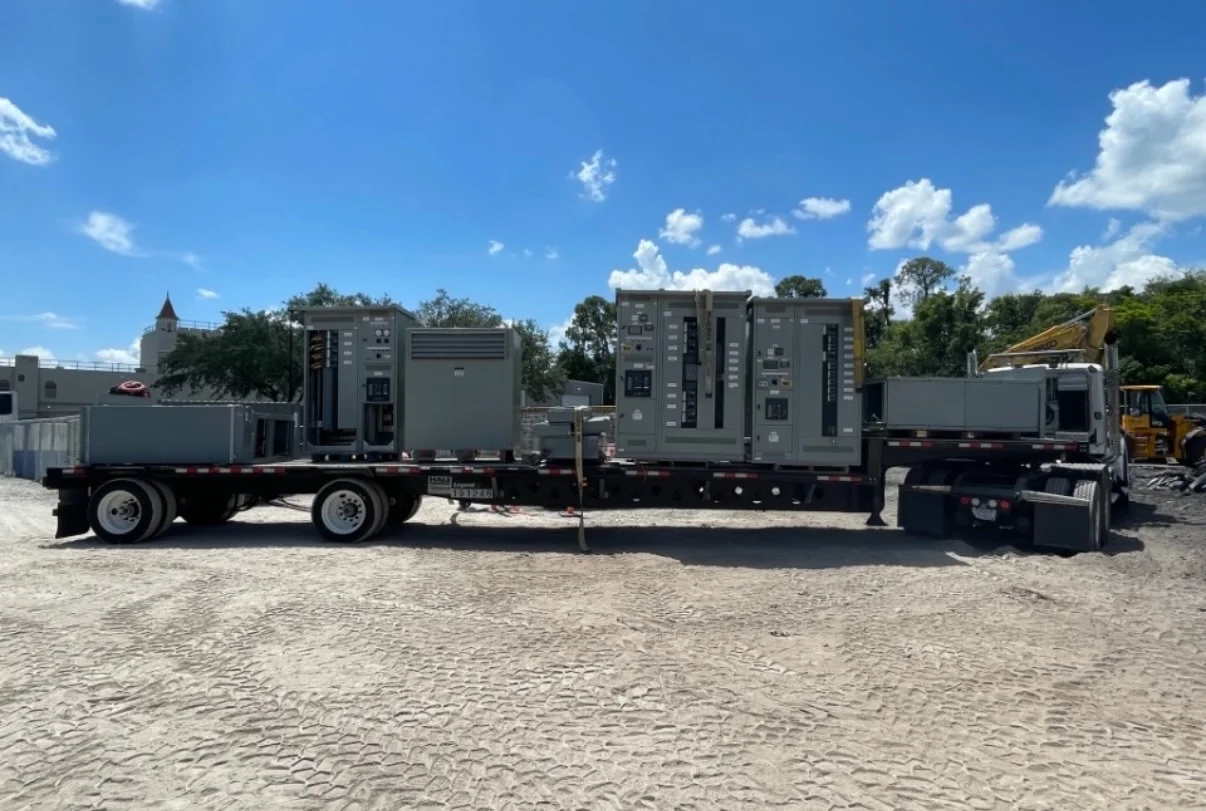
Set the inspection basis before production
Factory inspection planning starts with the approved equipment scope, not a generic checklist. Identify each lineup, section, assembly and accessory to be inspected, along with the governing drawings, specifications and purchase requirements. Confirm whether the order covers a UL 891 switchboard, UL 1558 low-voltage switchgear, or medium-voltage equipment; inspection criteria and applicable standards differ.
Agree who prepares, reviews and accepts inspection records, and who can authorize a release. Name the customer’s technical representative, manufacturer contact and any third-party inspector. Clarify whether the utility, engineer of record or authority having jurisdiction has a review role. Their project-specific requirements should be identified early, not assumed from another installation.
Define hold, witness and review points
A hold point prevents work from proceeding until the designated party gives documented approval; a witness point allows work to continue if the invitee does not attend, subject to agreed notice rules. A document review point may require submittal acceptance without a factory visit. Label each point by activity, responsible reviewer, notice period and release method.
Choose points that matter to this configuration and schedule. Possible examples include review of approved drawings before fabrication, inspection of bus and connections before enclosure closure, and a final assembly review before shipment. Not every project needs every point. Define in writing which are mandatory and how an unavailable reviewer’s decision is handled.
Check configuration against released drawings
Before inspection, reconcile the factory build against the latest approved one-line diagram, elevations, bills of material and control schematics. Confirm lineup sections, bus arrangement, ratings, device types, metering, relays, control power and incoming or outgoing connections. Record approved deviations and drawing revisions so reviewers are not comparing the assembly with superseded documents.
Site conditions can change what requires attention: cable entry direction, room clearances, conduit access, shipping splits and integration with existing equipment all affect fit and interfaces. List these constraints in the inspection plan and identify who resolves discrepancies. Any design change affecting electrical coordination, utility requirements or code compliance should go to the responsible engineer and relevant reviewers.
Agree visual and workmanship checks
A visual inspection can cover enclosure condition, barriers, access, labeling, component identification, hardware, finish and alignment, as applicable to the specified equipment. For internal review, define safe access arrangements and whether covers may be removed. Inspection boundaries matter: a view of an assembly does not verify every hidden connection or establish an electrical test result.
For buswork and terminations, specify the checks and records expected rather than relying on broad terms such as workmanship approval. Possible records include connection torque documentation where specified, material or component identification, and verification of clearances against approved design information. The responsible engineering team should define project acceptance criteria; do not presume a particular inspection method or value.
Identify tests and acceptance criteria
List factory tests required by the purchase specification, applicable product standard and approved test plan. State which equipment sections and functions are included, test prerequisites, acceptance criteria, recording format and disposition process for a failure. Routine production checks, project-specific functional checks and design qualification evidence serve different purposes and should not be conflated.
Depending on scope, functional review may address control wiring, interlocks, indication, metering, trip functions or communications interfaces. Confirm control voltage, supplied devices, test access and required customer inputs before scheduling. Do not infer that a planned witness activity means a particular test is included, nor that a factory test replaces commissioning, field testing or system-level verification.
Specify the acceptance document package
Agree the records needed for acceptance and release, with format, revision, delivery method and due date. A project package may include approved drawings, inspection checklists, test reports, deviation records, component documentation and a final equipment identification schedule. Include only records applicable to the ordered build, and distinguish documents required before shipment from those permitted afterward.
Define how comments are tracked and closed: assign an owner, response deadline and evidence required for each item. Separate an observation from a nonconformance, and document any approved concession or corrective action. Establish whether customer sign-off accepts the inspection record, authorizes shipment, or both. That distinction prevents a completed visit from being mistaken for release authority.
Coordinate people, access and schedule
Factory visits require practical coordination. Confirm attendee names, inspection duration, permitted photography, personal protective equipment, access rules and any confidentiality limits. Decide whether inspections are in person or supported by remote review, and verify that the method allows the required evidence to be examined. A remote meeting should not be treated as equivalent unless the parties agree on scope.
Tie each hold point to a schedule milestone and the notice needed to arrange attendance. Identify backup reviewers and a documented path for decisions when a witness cannot attend. Manufacturing in the United States, custom fabrication, short lead times and nationwide shipping can support varied project schedules, but inspection timing and release dependencies still require confirmation for each order.
Provide quote inputs and release rules
For a useful inspection-plan quote, provide the equipment type, one-line diagram, preliminary specifications, lineup quantity, location, schedule, required standards and known utility or AHJ requirements. Include requested hold or witness points, third-party involvement, test scope, document deliverables, review deadlines and any special access or reporting format. Flag whether drawings are preliminary or released for manufacture.
Before equipment release, confirm that required inspections are complete or formally waived, open nonconformances have an agreed disposition, and the designated authority has issued written authorization. State whether release depends on customer approval, payment, document completion or another contract condition. Have the responsible engineer check technical acceptance criteria, and coordinate applicable utility and AHJ reviews separately.