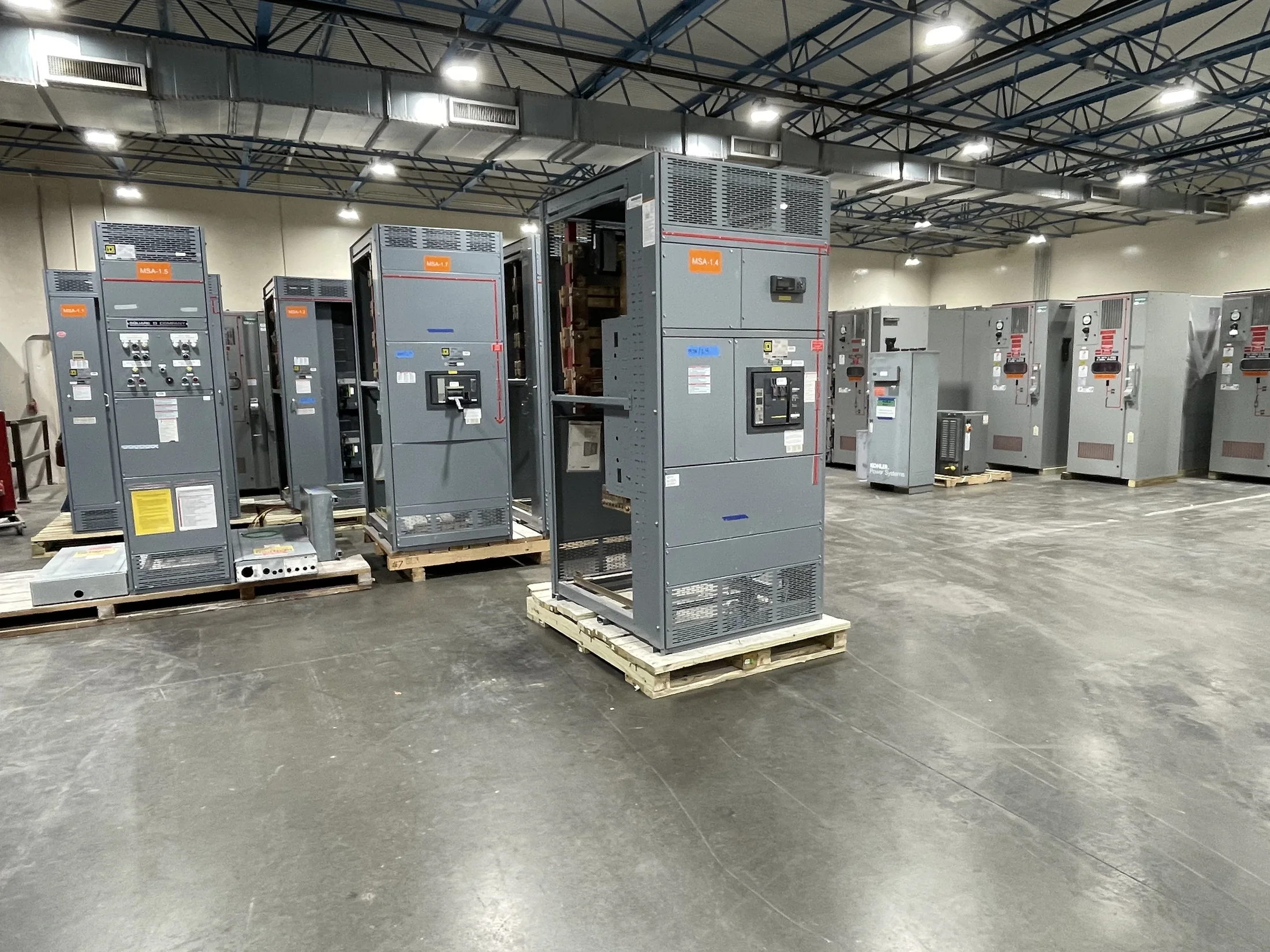
Start With the Exposure Conditions
Specify where the equipment will operate before selecting a finish. Indoor electrical rooms, outdoor service areas, washdown zones, and process spaces expose enclosures to different combinations of moisture, sunlight, airborne chemicals, dust, and temperature cycling. Describe routine cleaning methods and nearby processes, too; occasional splashing differs from frequent chemical contact.
Document whether the enclosure is indoors or outdoors, sheltered or exposed, and subject to condensation, salt, or corrosive vapors. Record ambient conditions and unusual operating exposures for the responsible engineer and manufacturer to review. These details guide coating discussions, but do not by themselves establish a particular enclosure rating or guarantee corrosion performance.
Identify the Substrate and Construction
Finish selection depends partly on the metal and construction being finished. Provide the specified enclosure material, component thicknesses where relevant, and whether doors, removable panels, mounting plates, and internal barriers use different substrates. Welded seams, fasteners, edges, and dissimilar-metal interfaces can require attention because coating coverage and corrosion behavior may vary at those locations.
A switchboard or switchgear lineup may include shipping splits, extensions, cable compartments, and equipment supplied by others. Clarify which surfaces are included in the finish scope and how field joints or later modifications will be handled. Custom fabrication can accommodate project dimensions and layouts, but finish requirements should be coordinated with drawings and component interfaces before release.
Define Preparation Before Coating
Surface preparation affects coating adhesion and consistency. The applicable process may involve cleaning, removal of oils or contaminants, abrasion, or another preparation method appropriate to the substrate and selected coating. Confirm the intended preparation standard and acceptance criteria with the manufacturer rather than assuming every finish uses the same process or that a coating can conceal surface defects.
Specify how welds, sharp edges, corners, and cutouts are treated before coating, since geometry can affect coverage. If the project has restrictions on abrasive methods, cleaning agents, or residues, state them early. A finish schedule should also identify surfaces that must remain uncoated for electrical contact, bonding, grounding, labels, or mechanical fit.
Choose Coating for the Actual Service
Compare coating options against the documented exposure and maintenance plan, not simply the purchase preference. Relevant considerations include moisture, UV exposure, chemical compatibility, abrasion, cleaning frequency, and the expected appearance over time. Ask what coating system is proposed for the specified substrate and environment, and what preparation and application controls are associated with that system.
Avoid treating a generic paint name or color as a complete specification. A project may call for a particular coating type, color designation, gloss, or finish texture, but availability and suitability should be confirmed for the build. Where chemical exposure is important, identify the substance, concentration, temperature, and contact pattern for technical review instead of relying on broad claims such as chemical-resistant.
Coordinate Finish With Electrical Interfaces
An enclosure finish must not interfere with electrical connections or the equipment’s intended construction. Identify bus and ground connection points, bonding surfaces, hinges, door hardware, gasket lands, and other interfaces where coating thickness or overspray could affect fit or electrical continuity. The responsible electrical engineer should review any proposed masking boundaries or field-preparation instructions.
Coordinate the finish with enclosure openings, ventilation provisions, instrument windows, operator devices, and nameplates. The finish does not determine the equipment’s short-circuit rating, environmental enclosure rating, or listing. Applicable construction and ratings depend on the complete design and build. UL 891 applies to switchboards; UL 1558 applies to low-voltage switchgear, not medium-voltage equipment.
Set Appearance and Inspection Expectations
For visible installations, define the color reference, acceptable variation, gloss level, and texture as clearly as the project requires. State whether adjacent lineups or existing enclosures need to appear consistent, and provide a physical reference when available. Different substrates, geometries, or production conditions can affect perceived appearance, so clarify how appearance will be evaluated before approving the finish.
Agree on practical inspection points, such as visible coating defects, coverage at edges, and damage identified before shipment. The project documents should distinguish factory finish expectations from touch-up after handling or installation. Confirm whether touch-up materials or instructions are requested and who will perform repairs; do not assume field repair will reproduce the original factory appearance exactly.
Account for Shipping and Site Work
Shipping and installation can expose finished surfaces to straps, lifting fixtures, abrasion, and contact with tools or adjacent equipment. Tell the manufacturer about handling constraints, indoor or outdoor staging, and any special packaging expectations. Review lifting and shipping arrangements against the enclosure layout so protection does not obstruct required access or conflict with project handling procedures.
Plan how finish damage, drilled openings, or approved field modifications will be addressed. The responsible engineer and project team should determine whether a modification is permissible and how exposed substrate will be protected. Finish coordination is especially important when equipment ships in sections or installation occurs in phases, because field joints and later work may leave surfaces requiring attention.
Prepare a Complete Finish Inquiry
For a quote, provide the equipment type and applicable design basis, overall lineup dimensions, substrate requirements, installation location, exposure description, requested coating or color reference, and finish scope. Include drawings showing doors, panels, compartments, and interfaces, plus any owner or project specification. Identify environmental restrictions, inspection expectations, and required documentation rather than relying on an unspecified standard finish.
A U.S. manufacturer building new switchgear and power distribution equipment with American components can review these requirements alongside custom fabrication and project schedule needs. Short lead times and nationwide shipping may be available, subject to the specific design and order. Confirm the proposed finish, scope, and schedule in the quotation, then have the responsible engineer, utility, and AHJ review applicable project requirements.