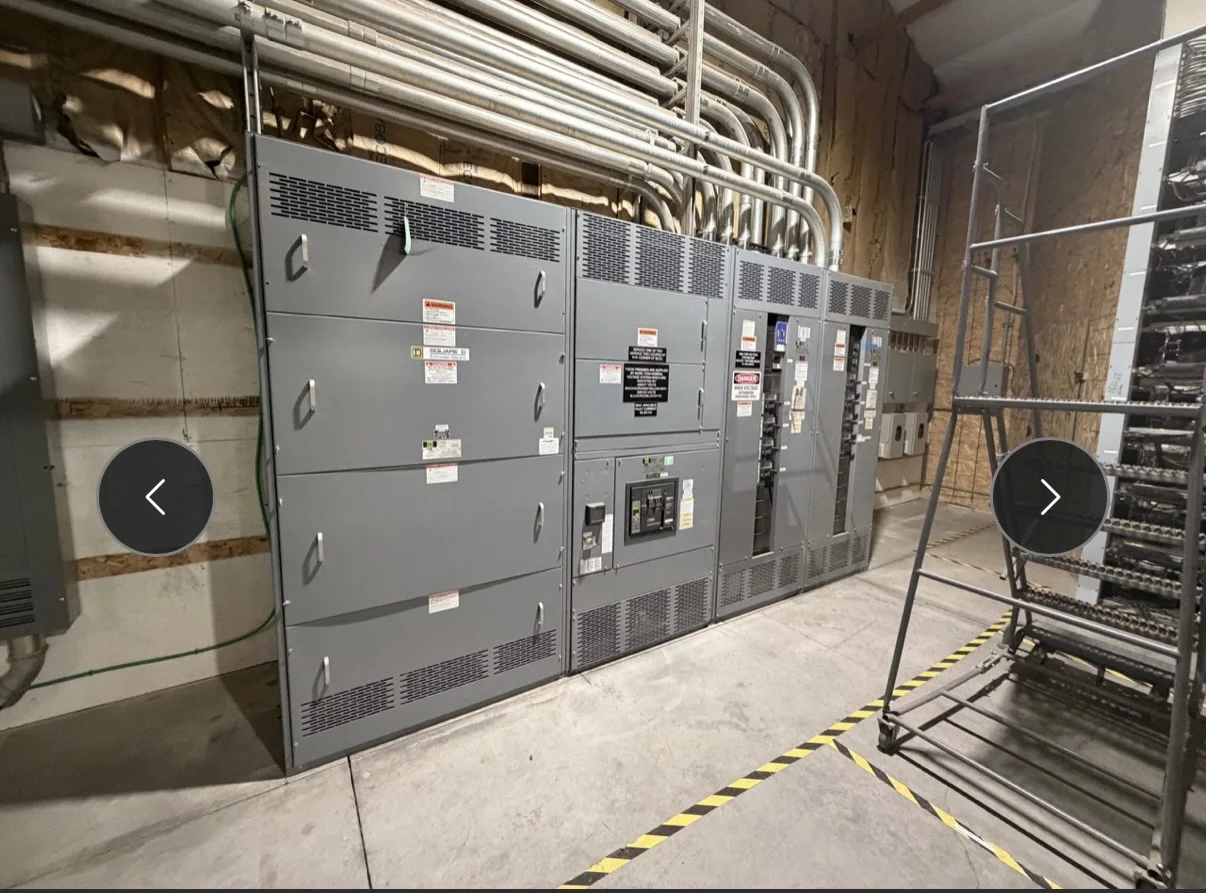
Start with the Actual Continuous Load
Bus selection begins with the equipment’s intended continuous current, not simply the largest connected load shown on a one-line diagram. Confirm demand assumptions, operating schedules, load growth, and whether significant loads run simultaneously. These inputs help the responsible engineer establish the design current and identify where future capacity is needed.
A nominal ampere rating does not describe every installation condition. Ambient temperature, installation location, enclosure construction, and the equipment’s evaluated configuration can affect allowable operation. Provide the supply characteristics, system voltage, phases, frequency, and required ratings so the manufacturer can review the application rather than size conductors from an isolated number.
Current Rating and Temperature Rise Are Related
Current through a bus produces heat because conductors and their connections have electrical resistance. As current increases, heating rises; the relationship is affected by material, conductor dimensions, geometry, surface condition, and how heat moves into surrounding air and structural parts. Sizing therefore requires evaluating the complete assembly, not choosing bar dimensions by a rule of thumb.
Applicable product standards and the specific equipment design govern temperature limits and evaluation methods. The allowable temperature is not a universal value that can be inferred from the bus metal alone. Confirm the product type, standard, component insulation limitations, and required operating conditions with the design team and manufacturer.
Joints Can Govern the Thermal Design
Bus joints deserve particular attention because imperfect contact, inadequate clamping, contamination, or unsuitable surface preparation can increase resistance at the interface. Higher resistance creates localized heating, potentially making a connection warmer than adjacent bus. Joint design includes contact surfaces, hardware, assembly access, and controlled tightening practices appropriate to the equipment design.
Connection count and arrangement also matter. A project with multiple sections, incoming sources, tie breakers, or unusually placed taps may introduce joints and current paths that differ from a simple lineup. Share the one-line diagram and section arrangement, along with any field-connection requirements, so joint locations and service access can be considered early.
Enclosure Conditions Change Heat Dissipation
Heat must escape from bus and connected components through the enclosure and into the surrounding environment. Internal barriers, compartment layout, ventilation openings, nearby heat-producing devices, and enclosure dimensions can alter airflow and thermal paths. A compact arrangement may be feasible, but its suitability depends on the evaluated design and specified operating conditions.
Installation details help define those conditions. Identify indoor or outdoor use, ambient temperature range, altitude when relevant, enclosure type, available clearances, and whether the gear will sit in a restricted room or near other heat sources. Do not assume ventilation, filters, or a particular enclosure rating; list requirements for review and confirmation.
Configuration Matters as Much as Bus Material
Copper or aluminum bus, plating choices, conductor shape, spacing, and support arrangement can influence electrical and thermal behavior. Selection depends on the required ratings, physical layout, connection interfaces, and applicable design evaluation. Material alone does not establish ampacity, and a change in geometry or support can affect the assembly’s performance.
For low-voltage distribution, distinguish UL 891 switchboards from UL 1558 low-voltage switchgear when defining the equipment. Medium-voltage equipment is a separate category with its own applicable standards and design constraints; UL 891 does not cover medium- or high-voltage equipment. State the intended equipment type so the quote addresses the right construction.
Temperature Limits Include Connected Components
Bus temperature is only one part of the assessment. Breakers, terminals, cable insulation, instrument devices, supports, and nearby insulating materials may have their own limitations. The final design must account for the most restrictive applicable condition while maintaining required clearances and the intended electrical ratings under the specified service conditions.
Clarify cable type and size, lug or termination requirements, conductor entry direction, and whether external cables impose installation constraints. If the project has specified terminal temperature ratings or equipment interface requirements, provide them for engineering review. The responsible engineer should check coordination between the equipment, conductors, protective devices, and connected loads.
Information to Provide for a Quote
A useful quote package includes the one-line diagram, system voltage and frequency, continuous and short-circuit current requirements, source and feeder details, number of sections, and the requested equipment standard. Include load profiles, future expansion assumptions, enclosure and environmental requirements, and any project specifications that define temperature or installation conditions.
Identify bus material preferences only if they are project requirements, and flag special joints, cable interfaces, unusual layouts, or restricted access. Provide the destination, requested schedule, and drawing or approval milestones. The manufacturer builds new equipment in the United States with American components, offers custom fabrication, and ships nationwide; final scope and schedule require project review.
Review the Complete Design Before Release
Before production, compare the proposed lineup and bus arrangement with the approved one-line, load assumptions, room conditions, cable plan, and project specifications. Resolve discrepancies in current ratings, section dimensions, connection points, and environmental requirements. Changes made after design review can affect both thermal assumptions and the equipment configuration.
The responsible electrical engineer should verify the application and protective-device coordination, while the utility and authority having jurisdiction should review requirements where applicable. No single bus dimension or temperature statement guarantees suitability across installations. Confirm applicable ratings, construction details, and evaluation scope for the specific new equipment before procurement and installation.