What the term means
Basic impulse insulation level, commonly abbreviated BIL, is a reference value for an electrical insulation system’s ability to withstand a specified impulse voltage. It is associated with defined test conditions, including an impulse waveform and prescribed application, rather than a general promise that equipment can tolerate every transient.
BIL is commonly discussed for equipment exposed to lightning-related or switching transients. The value gives engineers a basis for comparing insulation withstand levels and coordinating equipment. It does not describe continuous operating voltage, short-circuit current capacity, or the complete performance of a switchboard or switchgear assembly.
Why the test conditions matter
An impulse withstand value has meaning only alongside its applicable test conditions and equipment standard. Engineers need to know which terminals or insulation paths are involved, how the impulse is applied, and whether the stated value is a required withstand level, a design criterion, or a verified test result.
Waveform shape and test procedure affect how an insulation system is stressed. Consequently, values taken from different specifications should not be compared as if they were interchangeable without checking their definitions. For a project, use the governing standard, equipment documentation, and responsible engineer’s interpretation.
BIL is not a voltage rating
BIL is distinct from nominal system voltage and maximum equipment operating voltage. A system’s voltage class helps determine insulation requirements, but it does not by itself establish the correct impulse withstand level. Application conditions, grounding, protective devices, and the governing specification also inform insulation coordination.
Nor should BIL be mistaken for a short-circuit rating, arc-flash result, or surge protective device capability. These describe different electrical considerations. A sound equipment specification identifies each requirement separately, so the manufacturer can review the intended configuration without treating one insulation figure as a substitute for other ratings.
Where it fits in equipment selection
For medium-voltage equipment, impulse withstand requirements may be important to insulation coordination and the selection of switchgear, transformers, and associated components. Engineers should check the specified voltage class, insulation level, connection arrangement, and applicable product standard together, rather than selecting from a BIL number alone.
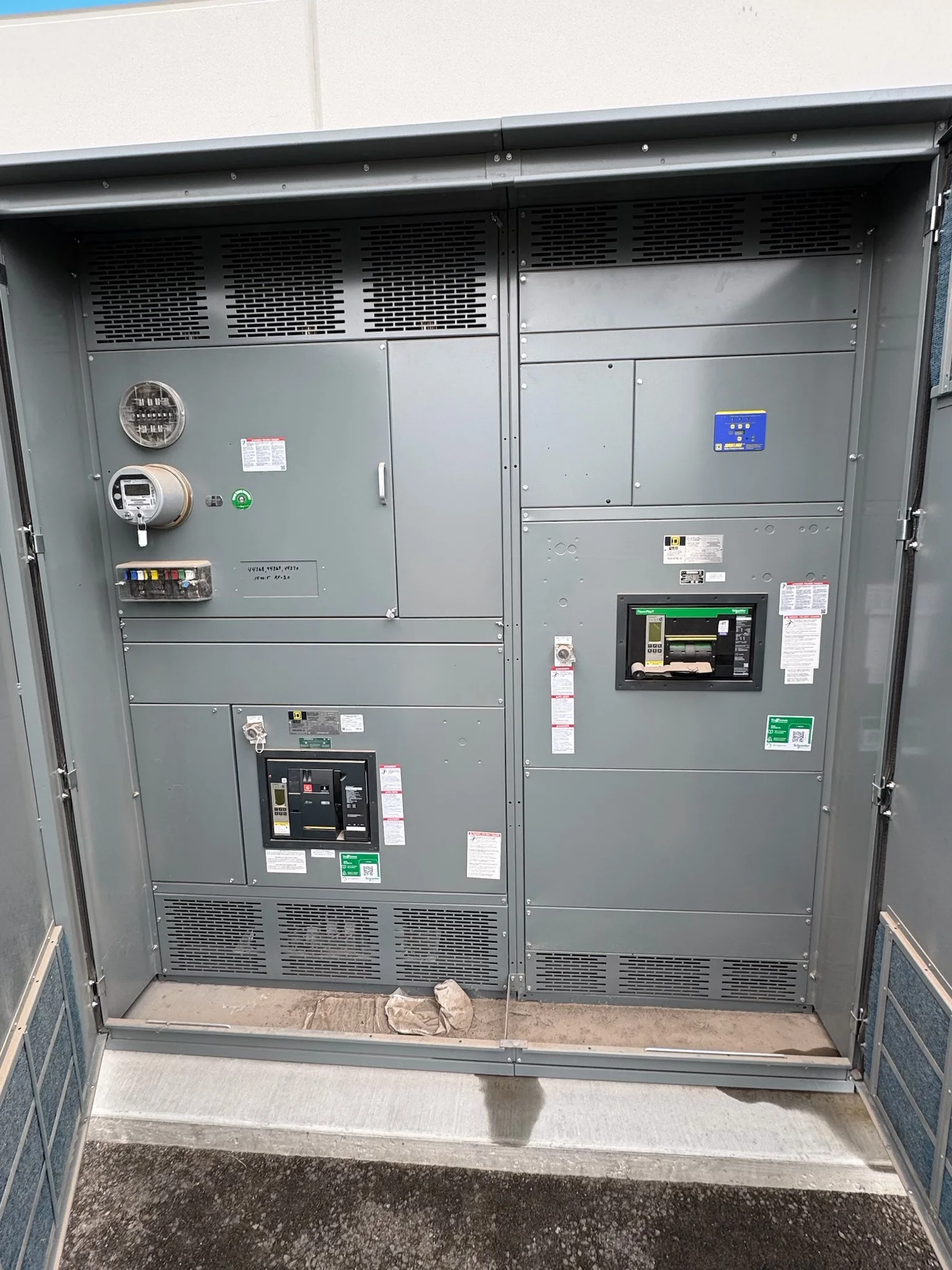
Low-voltage equipment requires a different standards context. UL 891 applies to low-voltage switchboards; UL 1558 applies to low-voltage switchgear. Neither should be presented as a medium- or high-voltage standard, and a BIL reference does not establish that a particular assembly is listed or approved.
Configuration can change the review
Insulation paths depend on the equipment’s physical and electrical arrangement. Bus connections, incoming and outgoing cable terminations, barriers, clearances, and component choices may affect what must be evaluated. The exact implications depend on the design and applicable requirements, so project-specific details should be reviewed before equipment is quoted or released.
Indoor or outdoor installation, altitude, contamination, moisture, and the surrounding environment can also be relevant to insulation design. Do not assume a standard configuration addresses every site condition. Identify unusual service conditions early and have the responsible engineer determine which conditions and standards govern the equipment.
Coordination with surge protection
BIL is one input to insulation coordination, not a standalone surge-protection plan. Engineers may need to evaluate expected transient exposure, protective device characteristics, lead lengths, grounding, and the relationship between protective levels and the equipment insulation withstand requirement. The utility’s practices and system configuration can influence this assessment.
A higher stated withstand value does not automatically remove the need for surge protection or establish that protection is properly coordinated. Confirm whether the project specifies surge arresters or other protective devices, who supplies them, and where they are installed. The engineer should verify the coordinated design against the actual system.
Information to provide for a quote
A useful equipment inquiry identifies the application, system voltage, frequency, available fault current, grounding method, and required equipment type. State whether the scope is a low-voltage switchboard, low-voltage switchgear, or medium-voltage assembly, and cite the governing standards and specifications relevant to that scope.
If an impulse withstand requirement is specified, provide its value, the source document, applicable test conditions, and any required evidence or acceptance criteria. Include one-line diagrams, connection details, environmental conditions, protective-device scope, and exceptions. Clear inputs help the manufacturer assess custom fabrication needs and prepare a technically grounded proposal.
Confirm the project basis before release
Before approving drawings, reconcile the equipment schedule, one-line diagram, utility requirements, project specifications, and insulation coordination study. Resolve differences in voltage class, impulse level, protective-device scope, or referenced standards with the responsible engineer. The authority having jurisdiction may also have applicable review requirements.
A U.S. manufacturer building new switchgear and power distribution equipment with American components can review stated project requirements and fabricate a custom configuration where appropriate. Confirm product scope, applicable approvals, testing expectations, and delivery details for the specific build; none should be assumed from a BIL value alone.