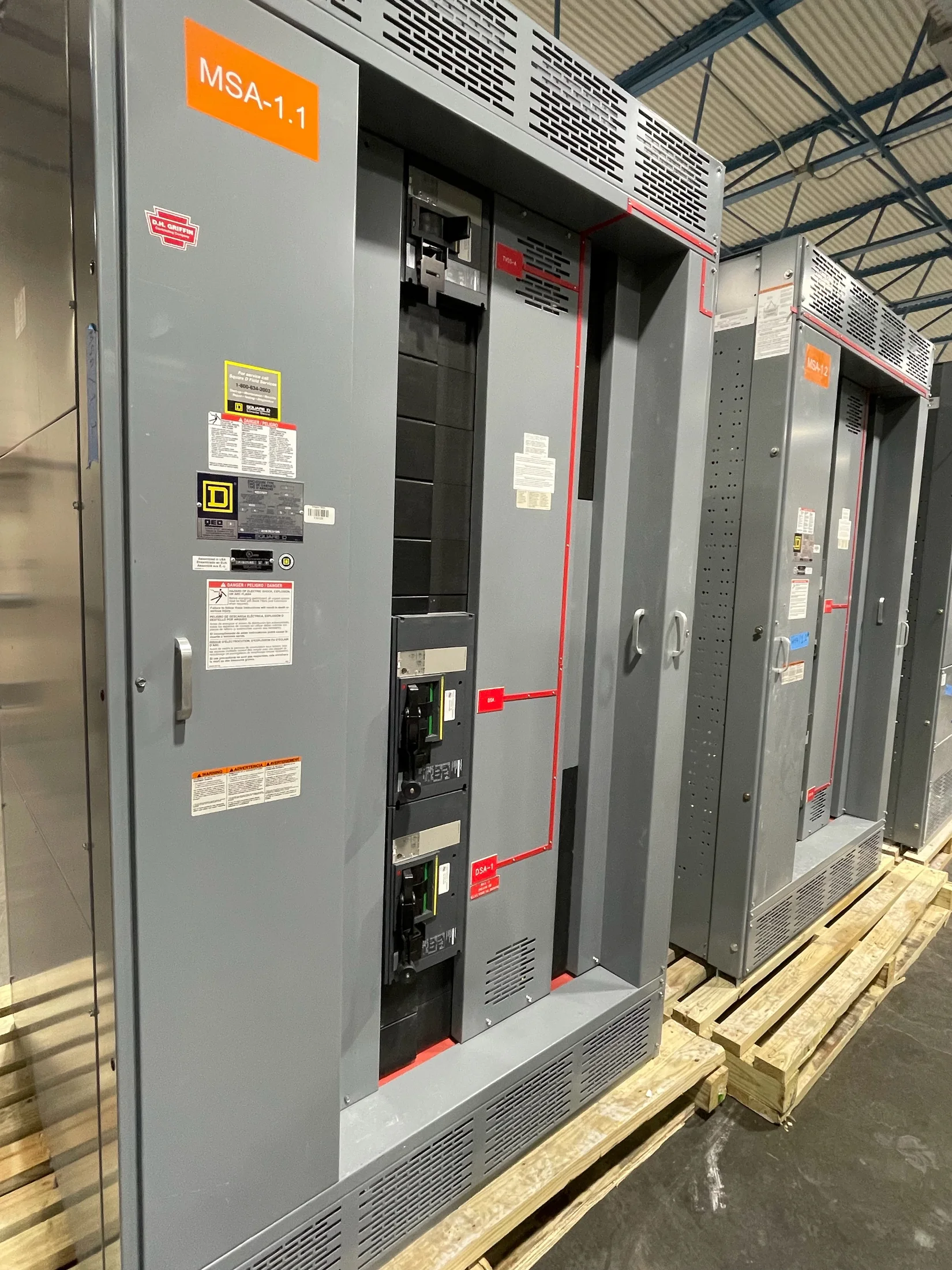
What an Arc Flash Is
An arc flash is the release of energy caused by an electrical arc: current passing through air or another insulating medium between conductors, or between a conductor and ground. The event can occur when insulation fails, a conductive object bridges energized parts, or another condition creates an unintended current path.
The arc heats surrounding material rapidly and may produce intense light, hot gases, pressure, and molten metal. Its effects depend on the electrical system and circumstances of the fault. Arc flash is not simply a visible spark; it is a hazardous energy event whose consequences can extend beyond the immediate contact point.
How an Electrical Arc Develops
A voltage difference can drive current through an ionized path when the insulation between energized parts breaks down or is bridged. Causes may include degraded insulation, contamination, loose connections, tool contact, or equipment failure. These are possibilities, not a diagnosis: investigating a particular event requires qualified personnel and site-specific evidence.
Once established, an arc may sustain itself while the source supplies fault current. The duration and available energy are influenced by system voltage, fault current, protective-device operation, and the electrical path. An arc can change as conductors melt or move, so assumptions based only on normal operating load are inadequate.
People and Equipment at Risk
For people, an arc flash can cause severe burns, eye injury, hearing damage, and other trauma from heat, bright light, sound, or pressure. The hazard may affect workers near exposed energized parts, including those performing inspection, maintenance, switching, troubleshooting, or installation. Risk depends on the task, exposure, equipment, and controls in place.
For equipment, arc energy can damage conductors, insulation, bus assemblies, enclosures, and connected components. Smoke, debris, and heat may affect nearby systems or interrupt facility operations. The extent of damage cannot be inferred from a general definition; it depends on the event, enclosure configuration, protective response, and site conditions.
Arc Flash Is Not the Same as Shock
Electrical shock results from current passing through a person’s body. Arc flash is thermal and pressure energy released by an electrical arc; an arc event may also create a shock hazard if a person contacts energized parts. Treating these hazards as interchangeable can leave important exposure paths unaddressed during task planning.
An arc blast describes pressure effects associated with an arc event, while arc flash commonly refers to the intense heat and radiant energy. These effects can occur together, but their severity and consequences are not identical. A hazard review should consider shock, thermal exposure, pressure, sound, and project-specific surroundings.
Why System Details Matter
Arc-flash assessment depends on a sufficiently accurate model of the electrical system, not a generic equipment label. Relevant inputs may include nominal voltage, available fault current, transformer and conductor data, grounding arrangement, protective-device types and settings, and the equipment’s operating configuration. Actual data should be verified for the installation being evaluated.
Maintenance state and operating modes can change the results. Alternate feeds, tie breakers, generator operation, parallel sources, and protection-setting changes may affect fault current or clearing time. The responsible engineer should identify scenarios requiring analysis and verify assumptions with facility records, equipment information, utility data, and field observations as appropriate.
Protection, Labels, and Work Planning
Protective devices may limit the duration of fault current by interrupting a circuit, but their performance depends on device selection, condition, settings, and coordination with the system. An arc-flash study evaluates defined scenarios; it does not guarantee that an event cannot occur or substitute for safe work procedures and qualified personnel.
Labels and work controls should follow the applicable assessment and workplace requirements. Before relying on a label, confirm that it corresponds to the equipment, configuration, and study assumptions at hand. Electrical designs and protection changes should be reviewed by the responsible engineer and, where relevant, coordinated with the utility and authority having jurisdiction.
Equipment Selection and Configuration
Switchboards, low-voltage switchgear, and medium-voltage equipment serve different electrical applications and are built to distinct standards. UL 891 applies to switchboards; UL 1558 applies to low-voltage switchgear. Neither should be confused with medium-voltage equipment requirements, which depend on the application and applicable standards.
When planning new distribution equipment, confirm system voltage, continuous and fault-current requirements, incoming sources, feeder count, metering, protection, enclosure conditions, and connection details. Any arc-resistant construction or related feature must be specified and verified for the particular build; it should never be assumed from a general product category or terminology.
Information for Equipment Planning and Quotes
A useful quotation request should describe the project application and identify the equipment type, voltage, phase, bus and feeder needs, source arrangement, protective-device requirements, metering, enclosure location, and applicable drawings or specifications. Include known fault-current data and coordination requirements, while identifying assumptions or information still pending engineering review.
A U.S. manufacturer building new switchgear and power distribution equipment with American components can review project documents for custom fabrication and nationwide shipment. Lead time depends on scope and confirmed requirements. Have the responsible engineer check the design, and coordinate utility and AHJ requirements where applicable before finalizing the equipment configuration.