Start with a Written Scope of Work
The purchaser, electrical contractor, and equipment supplier should agree in writing on who performs each installation task. Buying newly manufactured switchgear does not, by itself, establish who unloads, positions, assembles, connects, tests, or energizes it. The purchase order, contractor proposal, and project specifications should describe matching responsibilities.
Create a responsibility matrix before release for manufacture. Identify the party responsible for drawings, permits, site readiness, rigging, field labor, terminations, inspection coordination, and startup support. Mark exclusions and dependencies explicitly. A task omitted from every proposal can become a costly schedule gap, even when each party believes another owns it.
What the Equipment Supplier Typically Provides
A switchgear manufacturer supplies the agreed new equipment and the submittal information defined by the order. Depending on the project scope, that may include arrangement drawings, connection details, equipment data, and installation instructions. Confirm the actual deliverables and review schedule with the supplier; do not assume field installation is included.
For projects requiring custom fabrication or a specific lineup configuration, provide the supplier with the electrical one-line, load and fault information, incoming and outgoing cable details, room constraints, and project specifications. The manufacturer builds in the U.S. with American components and ships nationwide; delivery terms, unloading, storage, and site labor still need clear assignment.
The Electrical Contractor’s Field Responsibilities
The purchaser commonly engages a qualified electrical contractor to prepare the site and install equipment, but the contract controls. Field scope may include receiving and inspecting the shipment, rigging, anchoring, joining sections, installing raceways, making conductors and grounding connections, and completing work required by the approved design.
Confirm that contractor qualifications, licensing, permits, safety procedures, and inspection responsibilities meet project and jurisdictional requirements. The contractor needs approved drawings, equipment instructions, access and clearance information, and a coordinated outage or tie-in plan. Define who supplies tools, lifting equipment, consumables, and labor for corrections or damaged components.
Purchaser Duties and Site Readiness
The purchaser or facility owner typically controls site access, operating constraints, and coordination with facility staff, though a construction manager may handle these duties. Before delivery, verify the room is complete, dry, accessible, and capable of supporting the equipment and installation method specified for the project.
Confirm door and corridor dimensions, floor loading, housekeeping pads, working clearances, ventilation, cable entry locations, and available lifting paths against approved drawings. Resolve conflicts with existing utilities, fire protection, and other trades before shipment. Assign responsibility for secure storage, damage reporting, and maintaining environmental conditions if equipment arrives before installation.
Configuration Changes the Installation Plan
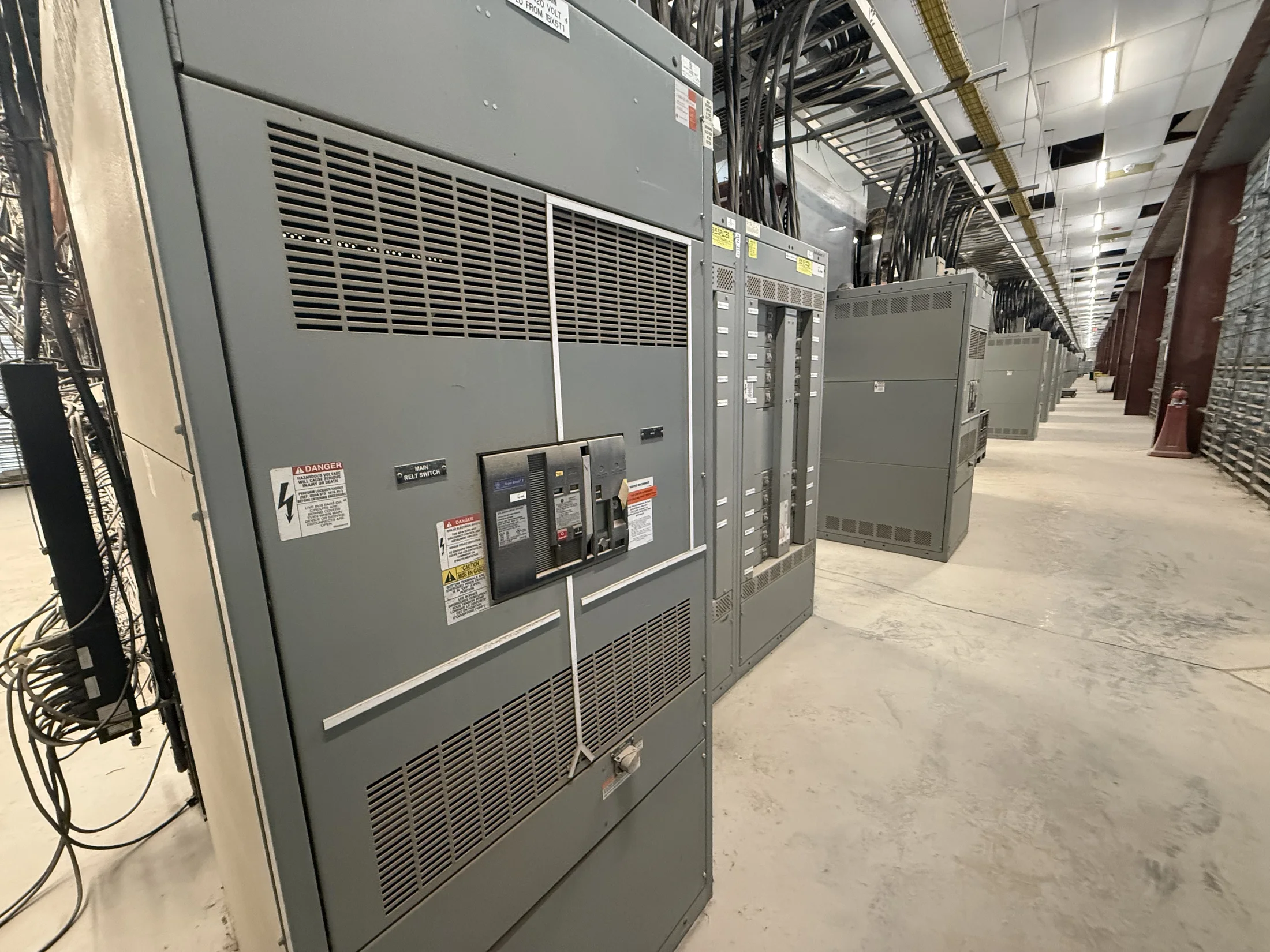
Installation details depend on the equipment type and arrangement. A UL 891 switchboard is not the same product category as UL 1558 low-voltage switchgear, and neither designation establishes medium-voltage coverage. Section count, bus arrangement, access, shipping splits, cable termination space, and mounting method can change handling and field assembly needs.
For medium-voltage equipment, separately confirm the applicable design, installation, utility interface, and qualified personnel requirements. Do not transfer assumptions from a low-voltage lineup. The responsible engineer should check voltage class, protective devices, grounding, clearances, fault duty, and coordination with the utility and authority having jurisdiction before the contractor proceeds.
Testing, Inspection, and Energization Must Be Assigned
“Installation” can mean physical placement only, or it may be used loosely to include inspection, testing, commissioning, and energization. Define each phase. Identify who checks connections and settings, who provides test equipment and records, what inspections are required, and who approves switching and return-to-service procedures.
The equipment supplier’s documentation or support scope should not be mistaken for authorization to perform all field testing or energize the system. The owner, contractor, commissioning provider, utility, and engineer may have separate roles. Confirm acceptance criteria, required reports, witness points, and outage windows in project documents before scheduling startup.
Information to Provide for a Clear Quote
To request a useful equipment quote, provide the one-line diagram, system voltage, ampacity and fault-duty requirements, incoming source details, feeder count, metering and protection needs, and applicable specifications. Include indoor or outdoor location, enclosure requirements, cable or bus connections, physical dimensions, and any requested standards or submittals.
Also state the project location, desired delivery timing, shipping and unloading expectations, and whether the request is for equipment only or includes specifically defined field services. Identify who will install and who reviews drawings. Short lead times may be available, but schedule depends on the approved configuration, components, and project requirements; confirm it with the supplier.
Resolve Interfaces Before Ordering
Before placing the order, compare the supplier’s proposal with the electrical contractor’s scope and the purchaser’s project documents. Check that shipping splits, lifting points, anchorage, connection locations, required clearances, and field assembly instructions align. Route deviations and interface questions to the responsible engineer rather than relying on assumptions.
Have the responsible engineer review the final design, and coordinate utility requirements and AHJ review where applicable. Record who accepts the shipment, reports discrepancies, performs installation, completes inspections and testing, and authorizes energization. Clear boundaries protect the schedule and help ensure the newly manufactured equipment is installed in accordance with its approved design and instructions.