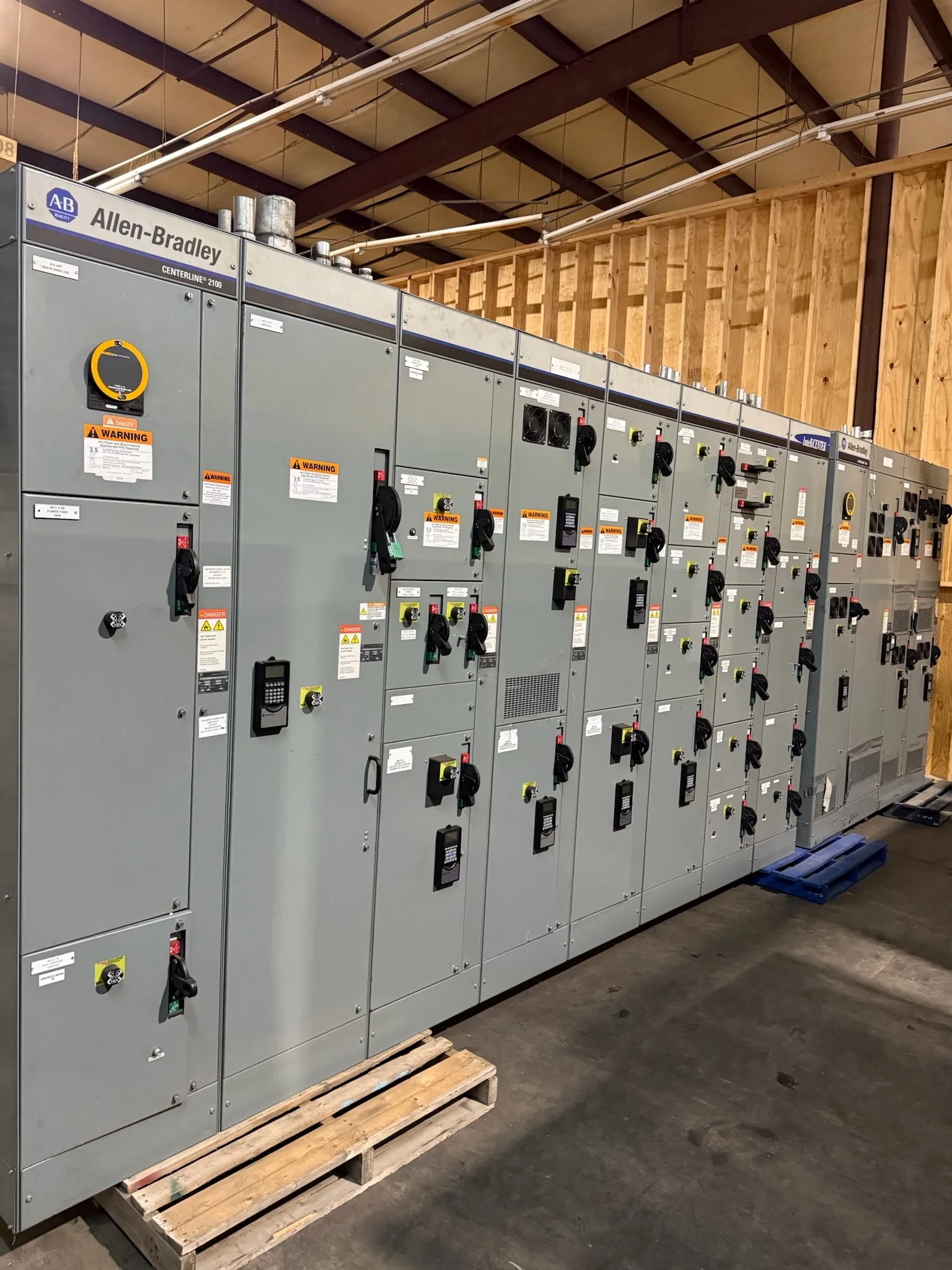
What a Witness Test Means
A factory witness test allows designated purchaser representatives to observe specified inspections or tests on newly manufactured electrical equipment. It is not automatically included with every order, and the word “witness” alone does not define what will be demonstrated. The request should identify the equipment and the intended verification.
The parties should distinguish witnessing from commissioning, field acceptance testing, or a third-party certification evaluation. Factory procedures and applicable standards determine which checks are appropriate. A witness may observe agreed activities and review records, but attendance does not by itself change the equipment’s design, certification, or acceptance obligations.
Define the Equipment and Test Scope
Start with the purchase description, approved drawings, and equipment configuration: for example, a low-voltage switchboard, UL 1558 low-voltage switchgear, or medium-voltage assembly. Identify sections, devices, options, and interfaces to be covered. Those product categories are not interchangeable; UL 891 applies to switchboards, not medium- or high-voltage equipment.
List the specific inspections or tests the purchaser wants to witness and the acceptance references for each. Depending on the design and agreed procedure, this might include visual or mechanical checks, wiring verification, or selected routine tests. Confirm what is performed on the actual order and what results or records can be shared.
Match the Request to Engineering Requirements
The requested demonstration must fit the approved design and safe factory procedure. Clarify whether the scope concerns the complete lineup, individual sections, controls, or accessory functions, and whether external signals or representative loads are needed. Do not assume a test can reproduce site conditions or validate every connected system.
Identify project-specific constraints early, including voltage class, control power, protective-device settings, communications, utility interfaces, and any approved deviations. Settings and test methods may depend on engineering documents and supplied components. The responsible engineer should review the proposed scope, while the utility or authority having jurisdiction should be consulted where their requirements apply.
Agree on Date and Readiness Conditions
A witness date must be coordinated with the manufacturing and test sequence; it should not be assumed from the order date or a requested ship date. Ask when the equipment is expected to be ready, how much notice is needed, and whether the witness event must occur before shipment or another project milestone.
Agree what happens if the equipment or required test setup is not ready, an attendee cannot travel, or the date changes. Rescheduling rules should address notice, available replacement dates, and any resulting cost or schedule effect. Short lead times may be available for new equipment, but a witness appointment still requires confirmation against the specific build plan.
Set Attendance and Access Rules
Name the purchaser’s attendees and clarify whether an engineer, contractor, consultant, end user, or independent inspector will participate. Confirm the permitted number of visitors, arrival and identification requirements, safety orientation, personal protective equipment, and any confidentiality restrictions before travel is arranged.
Decide whether attendance is in person, remote, or a combination, if those options can be supported for the agreed test. Remote observation may depend on camera views, audio, connectivity, and restrictions on recording. Confirm who will lead the event, answer technical questions, and document comments so observations are not mistaken for unapproved design changes.
Clarify Reports, Records, and Acceptance
Specify the records expected after the event: for example, an inspection checklist, test results available under the applicable procedure, a list of observations, or a signed attendance record. Confirm the format, recipient, and delivery timing. Do not assume every internal manufacturing record or component supplier document is part of the witness package.
Establish how a discrepancy will be recorded, evaluated, and resolved, including who decides whether it affects acceptance or shipment. A witness’s presence should not substitute for the purchaser’s formal review process or the manufacturer’s quality controls. The contract should state whether comments require written disposition and how any approved change is authorized.
Confirm Commercial Terms Before Ordering
Request a quote that separates the equipment scope from any witness-related services or costs. Provide the requested test activities, attendee count, location or access preference, preferred timing, and documentation needs. Ask whether preparation, test engineering, extended test time, travel coordination, or rescheduling could add charges rather than assuming these are included.
Commercial terms should also address cancellation, postponement, repeat demonstrations, and what happens when a test cannot proceed for reasons outside either party’s control. The final order documents should identify the agreed scope and any exclusions. Custom fabrication and nationwide shipping can be coordinated for new equipment, but neither determines witness-test availability or cost.
Put the Agreement in the Order Documents
Before release for manufacture, capture the test plan or a concise witness-test exhibit with equipment identification, procedures, attendance, schedule assumptions, records, and commercial terms. Attach or reference the applicable drawing revision and technical requirements. This helps prevent a late request from conflicting with completed assembly, test setup, or planned shipment.
For a quote, send the manufacturer the one-line diagram or equipment schedule, voltage and configuration, approved specifications, desired test scope, preferred window, attendee details, and required records. The manufacturer builds new equipment in the United States with American components and can discuss custom fabrication and shipping nationwide. Have the responsible engineer, utility, and AHJ review applicable project requirements.