Define the Project Before Comparing Suppliers
Start with the installation, not a supplier’s catalog. Identify whether the project is a new facility, service upgrade, replacement of existing equipment with newly manufactured gear, or an expansion. Record the site location, target energization date, available electrical drawings, and who will coordinate engineering, installation, and utility review.
Clarify the equipment boundary: what is included in the switchgear package, what connects upstream and downstream, and which items others will furnish. A clear scope helps Ohio buyers compare proposals on equivalent terms, rather than judging suppliers by a headline price that may omit controls, enclosures, accessories, or documentation.
Match the Equipment Class to the System
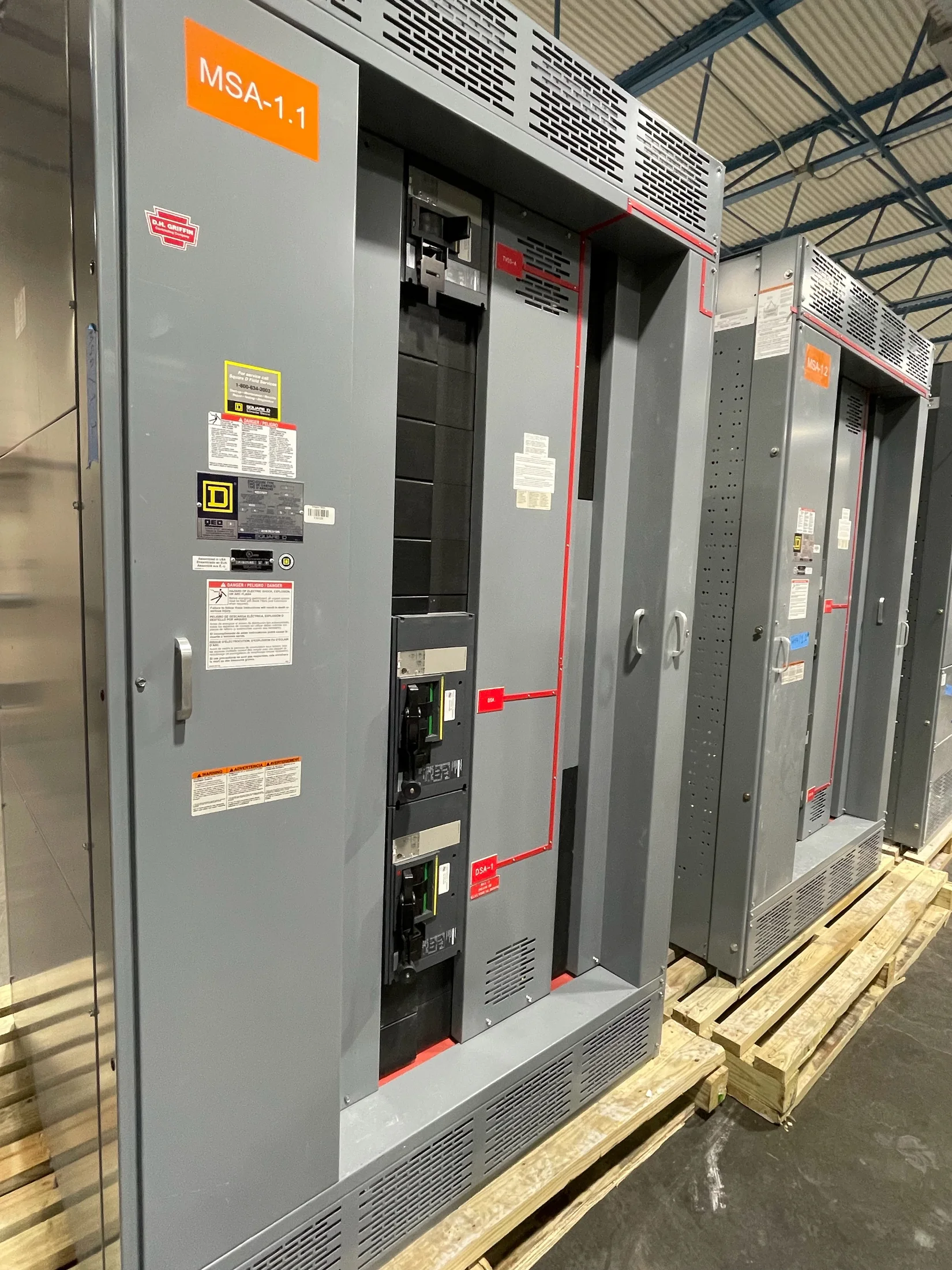
The system voltage and application determine which equipment category is appropriate. UL 891 switchboards are low-voltage switchboards; they are not medium-voltage switchgear. UL 1558 applies to low-voltage switchgear. Medium-voltage equipment has different design and application considerations, so identify the service voltage and equipment type before requesting pricing.
Ask the supplier to confirm the proposed construction against the project specification and one-line diagram. Depending on the application, details may include service and feeder arrangements, incoming source configuration, protective devices, metering, control power, and enclosure requirements. Confirm which requirements are included, optional, or outside the quoted scope.
Share the Engineering Information That Shapes a Quote
A useful quote request typically includes the one-line diagram, load and feeder schedules, applicable specifications, and the required equipment ratings. Provide available fault-current information, grounding method, system voltage, frequency, and environmental conditions. If information is preliminary, label it clearly so assumptions can be reviewed rather than treated as final.
Also identify physical and interface constraints: room dimensions, access routes, cable entry direction, conduit locations, bus connections, and clearances shown on the project documents. The responsible engineer should verify design choices and coordinate them with the utility and authority having jurisdiction where applicable. Suppliers need these inputs to identify open questions, not replace the engineer of record.
Evaluate Custom Fabrication and Configuration
Compare how each supplier handles project-specific layouts and documentation revisions. Custom fabrication may help address a particular lineup arrangement, connection point, enclosure, or control requirement, but those details must be established for the actual build. Request a configuration review that identifies assumptions, exclusions, and decisions still needed before release.
Ask how proposed sections, devices, and interfaces relate to the specification, and how deviations will be presented for approval. Confirm whether the quote includes drawings for review and what information the buyer must provide to complete them. Do not assume a feature, rating, listing, or approval applies to a particular build unless it is explicitly confirmed.
Compare Lead-Time Plans Without Guesswork
Delivery expectations depend on the final configuration, component availability, engineering approvals, and the project schedule. Rather than relying on a broad promise, ask for the supplier’s current estimated production and shipping plan for the defined scope. Confirm when the estimate begins, what approvals or deposits may affect it, and how changes are handled.
Short lead times can matter when coordinating construction, but schedule fit is more useful than an unsupported number. Share required-on-site dates, installation sequence, and any phased delivery needs. Ask what milestones the supplier can communicate and which events could shift them. Keep the contractor, commissioning team, and facility schedule aligned with the confirmed plan.
Plan Ohio Delivery and Jobsite Receipt
A supplier’s location is only one part of delivery planning. For an Ohio project, confirm the shipment destination, receiving hours, unloading responsibility, access restrictions, and whether equipment can be received indoors or must remain protected at the site. Discuss shipment packaging and handling instructions appropriate to the specified equipment and route.
Check whether the proposed delivery arrangement supports the installation sequence and available rigging resources. Establish who inspects the shipment, records visible damage, and coordinates resolution of discrepancies. Nationwide shipping can serve Ohio projects, but the buyer should confirm freight scope, delivery assumptions, and any site-specific requirements in writing before placing an order.
Review Documentation and Project Support
Ask what project documents accompany the order and when they are available. Depending on the scope, the team may need submittal drawings, equipment schedules, wiring information, operation and maintenance materials, and shipping documents. Confirm document formats, review responsibilities, and the process for incorporating approved comments into the production release.
Support should be discussed in practical terms: who answers technical questions, how changes are routed, and what assistance is available during installation or startup. Define responsibilities among the supplier, electrical contractor, engineer, and facility staff. Verify the support included for this order rather than assuming every service is standard.
Use a Consistent Checklist to Select a Supplier
Request comparable proposals using the same drawings, specifications, delivery point, and required date. Review equipment category, configuration, scope boundaries, stated assumptions, exclusions, documentation, estimated schedule, shipping terms, and support. A lower initial quote may not represent the same equipment or project responsibilities, so resolve differences before making a selection.
For Ohio buyers, a U.S. manufacturer building new equipment with American components and offering custom fabrication and nationwide shipping may be a practical option to evaluate. Ask for project-specific confirmation of the proposed build and delivery plan. Have the responsible engineer review technical compliance and coordinate with the utility and AHJ where required.