Start With the Basis of Design
Gather the project specification, one-line diagram, schedules, control schematics and applicable addenda before comparing equipment. Identify the specified manufacturer and model, but treat those names as references to the required functions and constraints—not as a substitute for documenting them. Record every stated deviation process and submission deadline.
Separate mandatory requirements from preferences and unresolved selections. An alternate may differ in construction yet satisfy the electrical design, while a seemingly close catalog match may omit a required function. Ask the engineer of record to clarify ambiguous clauses, and keep a written comparison tied to drawing and specification revisions.
Compare the Equipment Type and Function
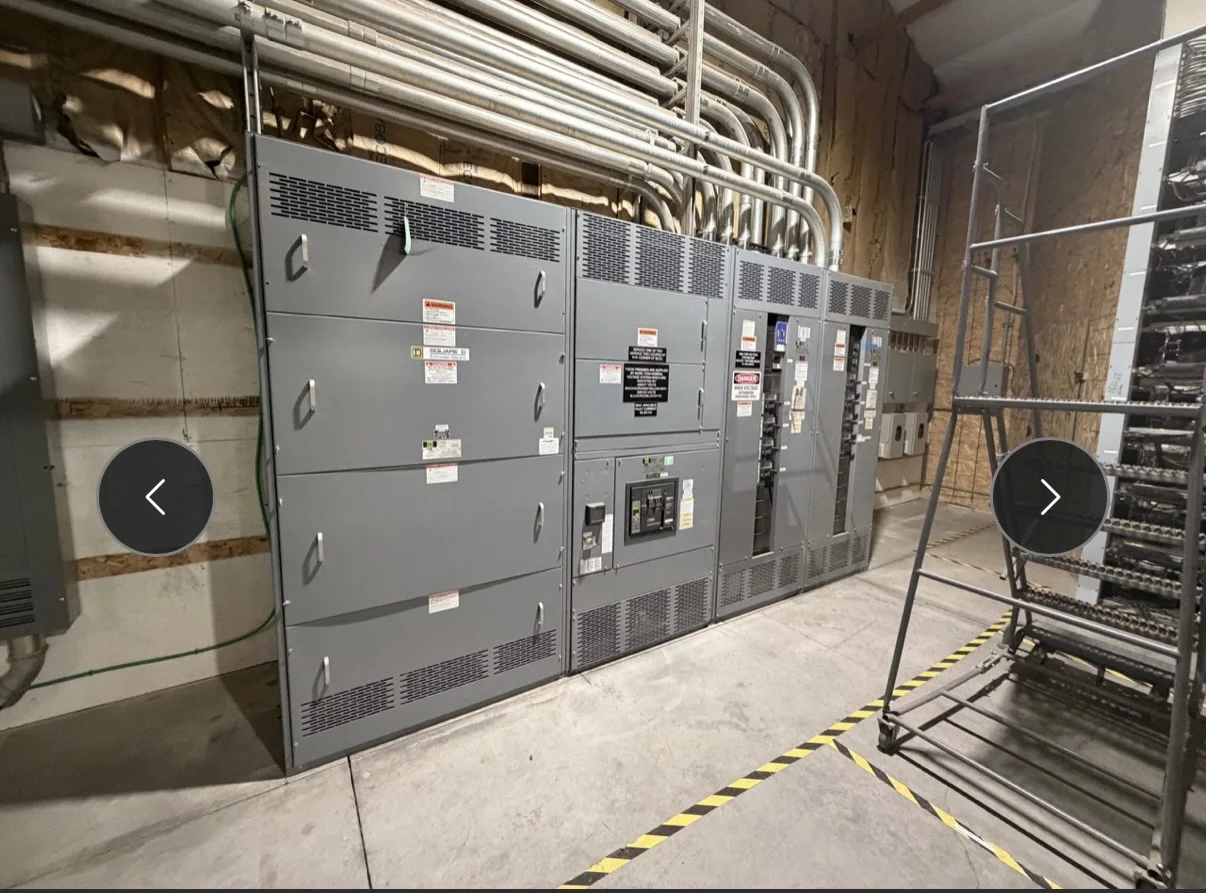
First establish whether the project calls for a switchboard, low-voltage switchgear or medium-voltage equipment. UL 891 applies to switchboards; UL 1558 applies to low-voltage switchgear. Neither standard should be used to characterize medium- or high-voltage equipment. Confirm the applicable product category and project specification with the responsible engineer.
Then compare what the lineup must do: service entrance, distribution, generator paralleling, tie operation, metering, transfer, or control integration. Map each function to the proposed sections, devices and wiring. A different arrangement may affect operation or coordination, so confirm acceptable operating modes and interfaces rather than relying on a broad equivalency label.
Check Ratings and Protective Devices
Compare nominal voltage, phase and wire configuration, frequency, continuous current, short-circuit withstand or interrupting requirements, and system grounding. Check the specified values against available fault-current information and the protection study. Do not assume matching amperage means equivalent fault performance or that a rating is available in every configuration.
Review breaker or switch type, frame and trip ranges, trip unit functions, fuse class where applicable, and required accessories. Verify coordination, selective interlocking, ground-fault protection, and arc-energy design inputs when specified. The responsible engineer must evaluate device substitutions against the study and design intent; a quote comparison alone cannot establish suitability.
Verify Dimensions and Site Interfaces
Compare overall lineup width, height and depth, section sequence, access clearances, door swing, cable-entry space and working space. Check room plans, housekeeping pads, structural limits, shipping splits and the route from unloading point to final location. Small dimensional changes can obstruct egress, bus duct transitions or maintenance access.
Confirm incoming and outgoing cable locations, conduit windows, bus connections, neutral and ground arrangements, and top- or bottom-entry needs. Check bus duct size and orientation, transformer or generator interfaces, control conduits, and existing building openings. Provide current architectural and electrical drawings to the proposed manufacturer; field conditions should be verified before release.
Trace Controls, Metering and Communications
Compare control power, interlocking logic, selector switches, pilot devices, metering quantities and instrument-transformer requirements. For automatic transfer, paralleling or tie schemes, document sequences, permissives, source sensing and fail-safe behavior. A different device layout can change wiring or operator workflow even when the main power ratings appear comparable.
List required protocols, network connections, remote indications, alarms and points exchanged with the building-management or supervisory system. Identify responsibility for programming, field wiring and integration testing. Share point lists and sequence narratives with the manufacturer and controls contractor, then have the engineer confirm that the proposed interfaces meet project requirements.
Establish Approval and Submittal Requirements
An equivalency decision may depend on project specifications, contract language, utility service rules, insurance requirements and the authority having jurisdiction. Determine who can approve a substitution and whether written acceptance is needed before purchase. Do not interpret a manufacturer’s review or a product standard as approval for a particular project installation.
Request documentation appropriate to the proposed equipment, including outline drawings, bills of material, ratings, wiring diagrams and applicable certification information. Confirm any required seismic, environmental or special-use documentation against project criteria. The responsible engineer, utility and AHJ should review matters within their authority before fabrication or installation commitments are made.
Build a Traceable Comparison
Use a line-by-line matrix with the specified requirement, proposed value or feature, evidence, deviation and disposition. Cite drawing numbers, specification paragraphs and revision dates. Mark unknowns as open items instead of treating silence as compliance. This makes technical review faster and gives procurement a clear record of the accepted configuration.
For each difference, describe its practical effect: altered footprint, breaker access, maintenance procedure, control sequence, spare capacity or coordination. Identify whether resolution requires a drawing change, study revision, utility consultation or formal approval. Submit a complete package early enough for review; late substitutions can disrupt coordination and procurement schedules.
Prepare the Quote Package
For a useful quote, provide the one-line diagram, equipment schedules, specifications, room dimensions, cable and bus interfaces, fault-current data, protective-device requirements, control narratives and requested delivery destination. Include quantities, project location and any bid form or approved-equal instructions. State open selections clearly so assumptions can be identified rather than hidden.
A U.S. manufacturer building new switchgear with American components can review the supplied requirements, discuss custom fabrication and quote nationwide shipment. Lead time depends on configuration, component availability, approvals and submittal decisions; request a project-specific schedule. Confirm quoted scope, exclusions, freight, documentation and approval conditions before placing an order.