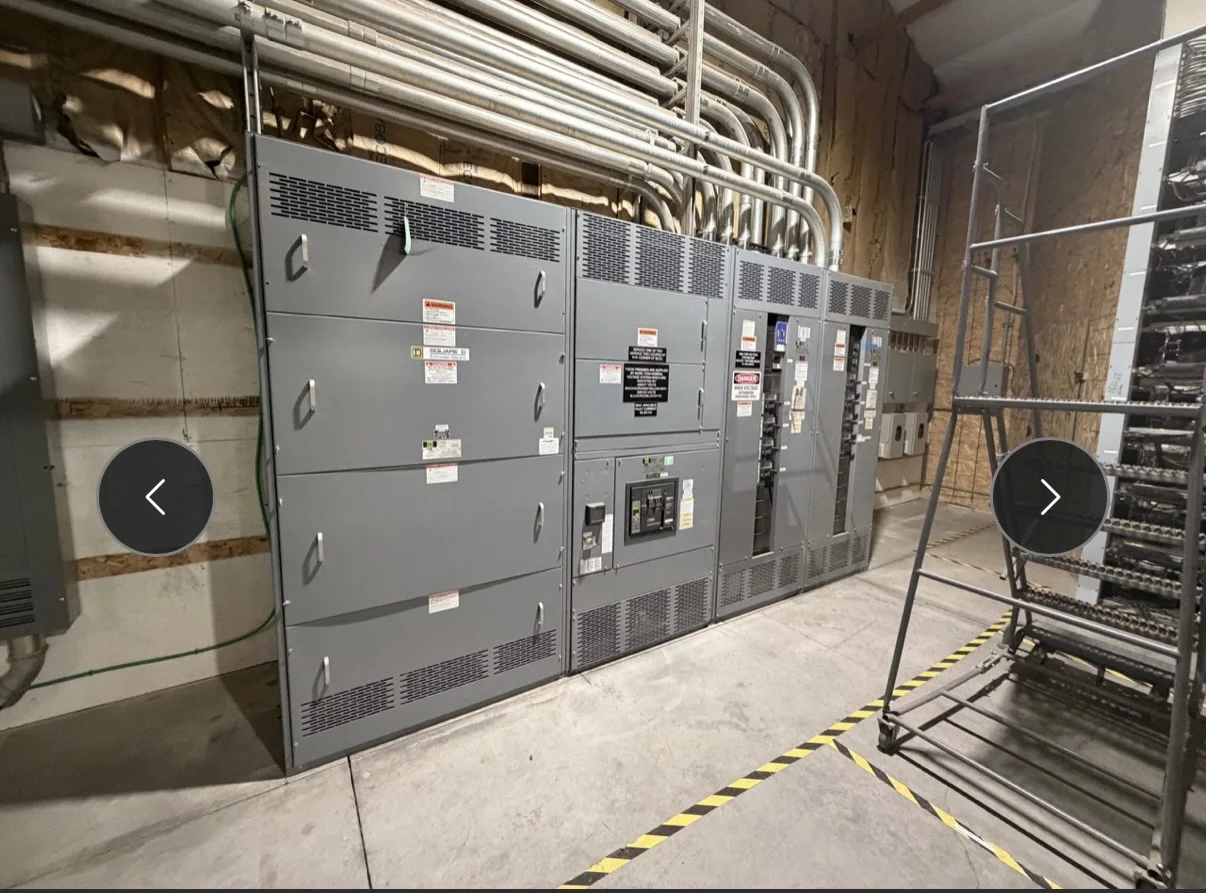
Start with the Application and Scope
An initial inquiry should explain what the equipment must serve and where it will operate. Useful context includes the facility type, project location, new installation or replacement scope, target schedule, and whether the request concerns a switchboard, low-voltage switchgear, or medium-voltage equipment.
Early scope discussions help distinguish firm requirements from open decisions. Identify the party responsible for the one-line diagram, protection coordination, utility interface, and final approvals. If the equipment is part of a larger project, note related transformers, generators, transfer equipment, and connections that affect lineup boundaries.
Prepare the Information for a Quote
A useful quote package typically includes the latest one-line diagram, system voltage and frequency, available fault-current information, main and feeder device requirements, metering needs, and anticipated cable or bus connections. Include the requested standards, project specifications, and any owner or consultant submittal requirements.
Also provide physical and commercial constraints: available room dimensions, access route, preferred lineup arrangement, environmental conditions, delivery destination, and required on-site date. Mark assumptions clearly where data is pending. The manufacturer can identify questions that affect configuration or pricing, but the responsible engineer must establish system design criteria.
Review Ratings and Equipment Type
During technical review, confirm the equipment category and applicable construction standard rather than treating all assemblies as interchangeable. UL 891 applies to switchboards; UL 1558 applies to low-voltage switchgear. Medium-voltage equipment follows different standards and design considerations, so identify the system voltage and application at the outset.
Review nominal voltage, continuous current, short-circuit requirements, protective-device types, and service conditions against project documents. These are project-specific selections, not automatic features. Available fault current, grounding method, source characteristics, and coordination objectives may change the required arrangement; unresolved values should be confirmed with the engineer and utility.
Resolve Layout and Interface Questions
Design review connects electrical requirements with the room and installation plan. Check lineup dimensions, working clearances, front or rear access, cable entry, conduit locations, floor loading, ventilation, and the path from unloading point to final position. Confirm whether the equipment must fit an existing opening or coordinate with adjacent assemblies.
Interface details deserve early attention. Establish incoming and outgoing conductor directions, neutral and grounding provisions, control power sources, communications expectations, and connections to external devices. Where generators, transfer switches, transformers, or utility compartments are involved, document who supplies each component and who verifies the complete system arrangement.
Approve the Submittal Before Production
After a configuration is developed, the project team typically reviews drawings and technical submittals before fabrication begins. Check device designations, ratings, lineup sequence, dimensions, elevations, wiring details, metering, control functions, and terminal arrangements against the contract documents and approved design intent.
Submittal review is a decision point, not a substitute for engineering responsibility. Record exceptions, requested changes, and unresolved data in a single review cycle where practical. The responsible engineer, owner, contractor, and other designated reviewers should clarify approval authority and confirm that revisions are incorporated before release.
Fabrication Follows the Released Configuration
Once the design is released, fabrication proceeds to the agreed equipment configuration and approved documents. Custom fabrication can address project-specific layouts and interface needs, subject to engineering review and manufacturing feasibility. Changes after release may affect material availability, drawing status, production sequencing, or the planned delivery date.
Production planning considers component selection, enclosure construction, assembly sequence, and documentation needs. Confirm any substitutions or deviations through the project’s review process rather than assuming equivalent components are acceptable. A U.S. manufacturer using American components can support domestic supply needs, while exact component choices remain subject to the approved build.
Plan Inspection and Documentation
Inspection planning should define what records the customer expects and when reviews may occur. Depending on the project and equipment, requested documentation may include approved drawings, component information, wiring records, inspection records, or other agreed submittals. Confirm the scope in advance; do not assume every project includes a particular test or certification.
The project team should distinguish routine manufacturing checks from any specified witness points, third-party review, or acceptance activity. Identify who attends, what notice is required, and which criteria govern. Any stated listing, rating, or test requirement must match the applicable equipment category and be confirmed for the specific build.
Coordinate Handoff, Delivery, and Installation
Before shipment, align delivery arrangements with site readiness. Confirm the receiving contact, unloading equipment, delivery access, storage conditions, shipment destination, and any restrictions on delivery hours. Nationwide shipping can serve projects across Ohio and elsewhere in the United States, but freight timing and site logistics should be coordinated for each order.
At handoff, clarify the documents accompanying the equipment, open-item status, and responsibilities for installation, terminations, startup, and field verification. Short lead times may be available depending on scope, components, and production schedule; request a project-specific estimate. Have the responsible engineer, utility, and AHJ review applicable design and installation requirements.